
 by
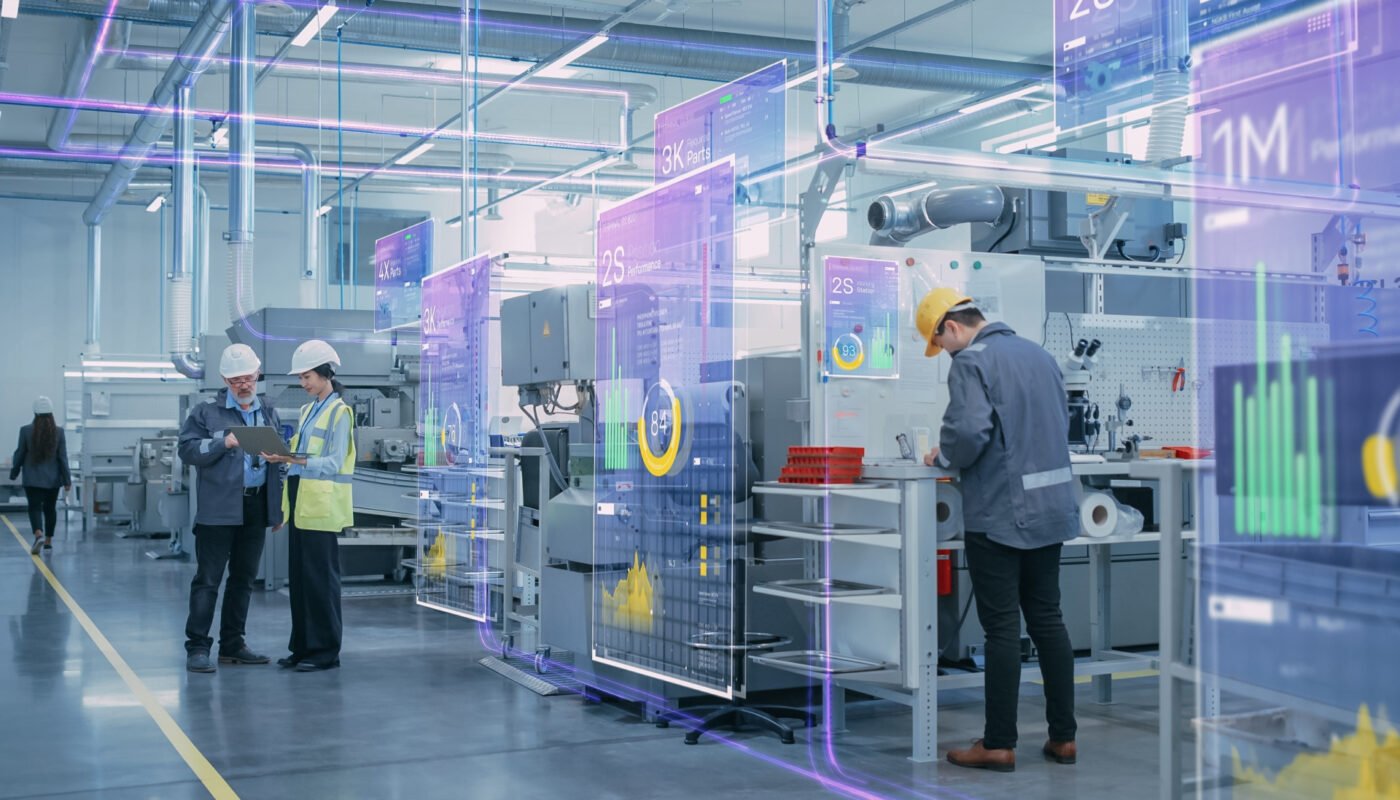
by Global economic tides are shifting, and one of the ripples threatening to lap onto India’s shores is the specter of heightened U.S. tariffs. Moody’s Investors Service, in a recent cautionary analysis, warned that Washington’s evolving trade policy—particularly under a scenario of protectionist escalation—could hurt India’s manufacturing ambitions, dampen export momentum, and in turn slow overall economic growth. The assessment lands at a critical juncture, as India has been pushing its “Make in India” program to transform itself into a global manufacturing hub.
This warning is not a prophecy of doom but rather a reminder that in an interconnected world, policy decisions in one capital can have cascading effects across continents. The challenge for India lies in both mitigating the risks and finding new opportunities amid the disruption.
What Moody’s Report Says
Moody’s central concern revolves around the possibility of higher U.S. import tariffs on a broad range of goods, including those in which India has been gradually expanding its footprint—textiles, engineering goods, auto components, electronics, and certain chemicals. These products are part of India’s export basket to the United States, a key trading partner and one of the most lucrative markets for value-added manufacturing exports.
According to Moody’s, if such tariffs materialize, they could:
- Erode India’s price competitiveness in the U.S. market, making Indian goods less attractive compared to domestic American products or imports from countries with preferential trade agreements.
- Disrupt supply chain investments targeted at the U.S., as firms could redirect their capital to countries not facing such trade barriers.
- Slow GDP growth by reducing export-led industrial expansion, especially in sectors where India has made significant progress in the last decade.
Moody’s doesn’t argue that India will face a collapse, but it underscores that the ripple effects could constrain the country’s ability to meet its ambitious manufacturing and export targets.
The Upside: Why the Warning is Not the Whole Story
While the concerns are valid, India’s manufacturing growth story is not entirely at the mercy of U.S. tariff policy. Several structural advantages and recent strategic moves may cushion the blow:
- Diversifying Export Markets
India’s export destinations have expanded beyond traditional partners. The EU, Southeast Asia, Africa, and Latin America are becoming significant markets. The recent India–UAE CEPA (Comprehensive Economic Partnership Agreement) and ongoing talks with the UK and EU promise preferential access to high-value markets. - Rising Domestic Demand
A robust and growing middle class ensures that manufacturing growth is not solely dependent on exports. The domestic market for electronics, consumer goods, and automobiles is expanding, providing a buffer against external shocks. - China-Plus-One Strategy
Many global companies are seeking to reduce dependence on Chinese manufacturing. India’s improving infrastructure, skilled workforce, and incentive schemes like the Production Linked Incentive (PLI) program position it as a viable alternative. Even with U.S. tariffs, India could attract manufacturing investments intended for broader global supply chains, not just U.S.-bound production. - Energy and Logistics Improvements
India’s focus on renewable energy expansion and major port, rail, and road upgrades lowers production costs over time, helping offset some competitive disadvantages from tariffs. - Innovation and Value Addition
Moving up the value chain—from raw materials to high-tech and design-led manufacturing—can make Indian products less sensitive to tariff changes, as buyers often pay a premium for innovation and quality.
Negating the Risks: What India Can Do
To ensure that Moody’s warning does not become a self-fulfilling prophecy, India can adopt a multipronged strategy:
- Accelerate Trade Pact Negotiations
Concluding free trade agreements with key economies, especially in Europe and Asia-Pacific, can provide alternate high-demand markets for Indian products. - Deepen Regional Supply Chains
By fostering tighter production links within South Asia, ASEAN, and Africa, India can create resilient export ecosystems less dependent on any single market. - Boost Manufacturing Competitiveness
Streamlining regulatory processes, cutting logistics costs, and enhancing port efficiency can make Indian exports more competitive even in tariff-affected markets. - Encourage Currency and Payment Alternatives
Exploring non-dollar trade settlements with certain partners can reduce exposure to currency volatility, especially if U.S. policy shifts trigger dollar spikes. - Invest in Branding and Quality
Indian manufacturers need to build strong brand identities and deliver world-class quality. Even in high-tariff environments, well-regarded brands often retain market access due to consumer loyalty.
Way Forward
The real message from Moody’s is less about impending doom and more about preparedness. Global trade is becoming increasingly politicized, and tariffs are no longer just economic tools—they are strategic weapons in the contest for geopolitical influence. For India, this means two things:
- It must shield its manufacturing sector from overexposure to any single market, no matter how lucrative.
- It must position itself as a central player in emerging multipolar trade networks where economic power is distributed more evenly, and dependency on the U.S. is reduced.
India’s policy focus should now tilt toward securing diversified trade routes, incentivizing domestic consumption, and encouraging manufacturers to target premium market segments that are less price-sensitive to tariffs.
Conclusion
Moody’s warning should be read neither as a prophecy of decline nor as a reason for complacency. It is a timely nudge for India to think beyond traditional trade dependencies and to craft a more resilient, self-sustaining manufacturing ecosystem. Tariffs may dent growth in the short term, but they can also serve as catalysts for deeper reform, innovation, and diversification.
If India uses this moment to accelerate its global trade reorientation, strengthen its competitive advantages, and build a manufacturing base that thrives in multiple markets, the country can not only weather tariff headwinds but also emerge stronger in the global economic order. The challenge is real, but so is the opportunity—if India dares to seize it.






This is a thought-provoking analysis on the shifting dynamics of global trade and its impact on India’s ambitions. It’s interesting how interconnected economies are, and how decisions in one country can create waves globally. While the U.S. tariffs pose a challenge, I believe India’s structural advantages, like its skilled workforce and growing domestic market, can offset some of these risks. The emphasis on diversifying trade partners and focusing on innovation is crucial—has India already started implementing some of these strategies? Also, how do you think the Make in India initiative can adapt to these evolving trade policies? Overall, this feels like a reminder to stay adaptable and proactive in a rapidly changing world. What’s your take on balancing short-term challenges with long-term goals?
Wir haben libersave in unser regionales Gutscheinsystem eingebunden. Es ist toll, wie einfach man verschiedene Anbieter auf einer Plattform bündeln kann. Whith regards, EURSD
This analysis highlights the intricate interplay between global trade policies and India’s economic aspirations. While the threat of heightened U.S. tariffs is concerning, it’s crucial to view it as a challenge rather than a roadblock. India’s “Make in India” initiative has already laid a strong foundation for growth, and while external factors like tariffs can create hurdles, they also push for innovation and diversification. The focus should be on leveraging India’s structural advantages, such as its large domestic market and skilled workforce, to mitigate risks. Perhaps India could explore deeper trade partnerships with other regions to reduce dependency on any single market. What steps do you think India should prioritize to ensure its manufacturing ambitions remain on track despite global uncertainties? Also, how can Indian businesses adapt to these changing dynamics to maintain their competitive edge?
We’ve integrated libersave into our regional voucher system. It’s amazing how effortlessly it allows us to bundle various providers on a single platform. Whith regards, IMAGE
The shifting global economic landscape and the potential impact of U.S. tariffs on India’s manufacturing ambitions are indeed concerning. Moody’s analysis highlights how interconnected economies are, and how policy changes in one country can ripple across the globe. While India’s Make in India initiative is ambitious, it’s clear that external factors like tariffs could pose significant challenges. However, the report also suggests that India’s structural advantages and strategic moves could help mitigate these risks. It’s important for India to stay proactive and explore new trade opportunities to reduce dependency on any single market. Do you think India’s current strategies are sufficient to navigate these challenges, or are there additional steps that should be taken? Also, how can India balance its manufacturing goals with the need to adapt to unpredictable global trade policies?
P.S. We integrated libersave into our regional voucher system. It’s fantastic how effortlessly it consolidates various vendors on a single platform. Whith regards, EEURO