 by
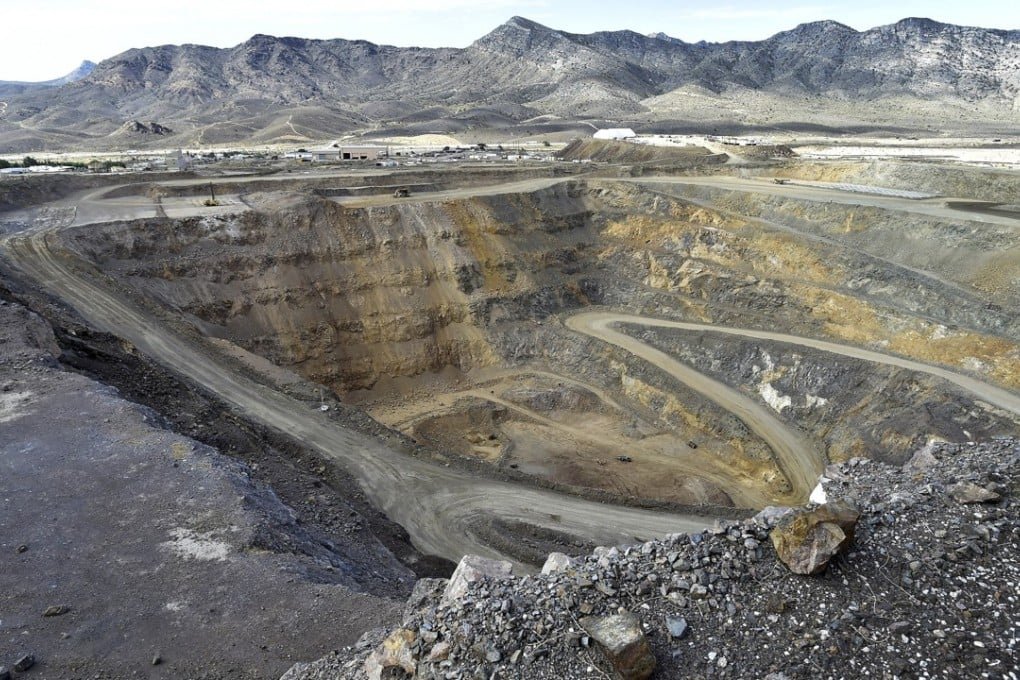
by In the intricate web of global trade, few elements are as pivotal as rare earth elements (REEs). These 17 minerals, despite their name, are not particularly rare but are crucial in the manufacturing of high-tech devices, electric vehicles, renewable energy systems, and advanced military equipment. China’s dominance in the production and processing of REEs has transformed these elements from mere commodities into potent instruments of geopolitical leverage.
The Strategic Significance of Rare Earth Elements
Rare earths are integral to the functioning of modern technology. Neodymium, for instance, is essential in the production of strong permanent magnets used in electric motors and wind turbines. Dysprosium and terbium are critical for the performance of these magnets at high temperatures. Yttrium and europium are vital in the manufacturing of phosphors for LED lighting and display screens. Given their widespread application, any disruption in the supply of REEs can have cascading effects across various industries.
China’s Ascendancy in the Rare Earth Market
China’s journey to becoming the world’s dominant supplier of REEs began in the late 20th century. By the 1990s, China had invested heavily in rare earth mining and processing technologies, capitalizing on its vast reserves and relatively low labor costs. This strategic focus allowed China to control approximately 60-70% of global rare earth mining and over 90% of processing capacity Freshfields.
This dominance was further solidified through state-backed enterprises and favorable policies that encouraged consolidation within the industry. By the 2000s, China had effectively cornered the global market, making it indispensable to industries worldwide.
Leveraging Rare Earths as Geopolitical Tools
China’s control over REEs has not gone unnoticed in the international arena. In 2010, during a territorial dispute with Japan over the Senkaku Islands, China temporarily restricted the export of REEs to Japan, causing significant disruptions in Japanese manufacturing Geopolitical Monitor. This incident served as a stark reminder of China’s ability to use its rare earth dominance as a geopolitical tool.
More recently, in April 2025, China imposed export restrictions on seven critical REEs—samarium, gadolinium, terbium, dysprosium, lutetium, scandium, and yttrium—in response to U.S. tariffs. These elements are essential for various applications, including defense technologies and clean energy systems E2open. The move disrupted global supply chains, affecting industries from electronics to automotive manufacturing.
Global Repercussions and Strategic Responses
The global community’s reliance on Chinese REEs has left many nations vulnerable to supply disruptions. In the United States, companies like Ford and Suzuki were forced to pause production due to a lack of essential components China Briefing. Similarly, European automakers experienced shutdowns as a result of China’s export restrictions CLEPA.
In response, countries are intensifying efforts to diversify their supply chains. The United States has partnered with MP Materials, a domestic rare earth producer, to bolster its supply of critical minerals. This collaboration includes a $400 million government investment and aims to reduce dependence on Chinese processing capabilities Barron’s.
Similarly, India is accelerating the development of electric vehicle motors that do not rely on rare-earth magnets. Companies like Sterling Gtake E-Mobility are testing magnet-free, high-density reluctance motors, with potential for commercial production within a year Reuters.
These initiatives highlight a global recognition of the strategic importance of rare earths and the need for self-reliance in their supply.
The Path Forward: Diversification and Innovation
To mitigate the risks associated with China’s rare earth monopoly, nations must pursue a multifaceted strategy:
- Diversification of Supply Sources: Countries should invest in exploring and developing rare earth deposits within their own borders. Collaborations with resource-rich nations can also help secure alternative supply chains.
- Investment in Recycling Technologies: The current recycling rate for rare earths is less than 1%. Innovations in recycling processes can reduce dependence on primary mining and alleviate environmental concerns.
- Development of Alternative Materials: Research into alternative materials that do not rely on rare earths can reduce vulnerability to supply disruptions. For instance, advancements in ferrite-based magnets offer a potential substitute for rare-earth magnets in certain applications.
- International Collaboration: Countries should engage in multilateral agreements to ensure a stable and transparent supply of rare earths. Shared standards and cooperative frameworks can enhance resilience against geopolitical tensions.
Conclusion
China’s dominance in the rare earth market is a testament to the strategic importance of these elements in the modern world. While China’s control offers economic benefits, it also poses significant risks to global supply chains and national security. The recent export restrictions serve as a wake-up call for nations to reassess their reliance on Chinese REEs and take proactive measures to secure their own supply chains. By diversifying sources, investing in recycling technologies, developing alternative materials, and fostering international collaboration, countries can mitigate the risks associated with China’s rare earth monopoly and ensure a stable and secure supply of these critical elements.