

 by
by The Visual Impact of Wall Paints
Wall paints have a profound psychological and aesthetic impact on our perception of space. The choice of color and finish can significantly influence the mood and ambiance of any environment. Color theory provides insight into how different hues elicit emotional responses. For instance, warm colors such as reds and yellows are often associated with energy and enthusiasm, while cool colors like blues and greens promote calmness and tranquility. This knowledge allows designers and homeowners alike to curate spaces that reflect desired emotions and create particular atmospheres.
No layout selected.
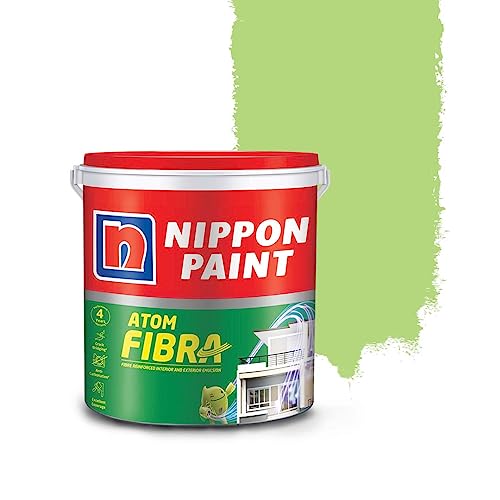
- Crack Bridging
- 2in1 Emulsion
- Anti Carbonation Technology
Visual perception also plays a crucial role in how wall paints interact with light and space. The finish of the paint, whether matte, satin, or glossy, can affect how light reflects and refracts, enhancing or diminishing the overall visual experience. A glossy finish, for example, tends to create brightness and expand the sense of space, while matte finishes may absorb light, giving a more intimate feel. This interplay between paint, light, and perception demonstrates that wall paints do not merely serve a decorative function but also facilitate emotional and sensory experiences.
Culturally, different paint shades carry varying significances. In some societies, bright colors may symbolize joy and celebration, while in others, they might evoke feelings of caution or warning. Historical contexts also inform our understanding of certain colors; for example, deep hues such as royal blue were historically reserved for nobility, thus conveying status and luxury. The cultural significance of different colors underscores the importance of wall paints in not only defining spaces but also communicating societal values and emotional narratives.
Ultimately, wall paints transcend mere aesthetics; they interact with our emotions and perceptions, shaping the environments we inhabit. By thoughtfully selecting colors and finishes, we can influence mood and ambiance, fostering spaces that align with our emotional and psychological needs.
A Brief History of Paints
The history of paints traces its origins back to the earliest civilizations, where natural pigments were derived from minerals, plants, and animal substances. The prehistoric cave dwellers utilized ochres and charcoal to create rudimentary artworks on cave walls, establishing the foundational use of pigments in art. As societies progressed, these early pigments began to be refined. The Egyptians, for instance, developed a range of colors through grinding minerals and mixing them with binders, laying the groundwork for more advanced paint formulations.
During the Classical period, the Greeks and Romans further advanced paint technology. They utilized the rich hues available in nature, including lead white and vermilion, often mixing these pigments with egg yolk to produce tempera paint. This method dominated the artistic scene until the Middle Ages, when the introduction of oil paints revolutionized the medium. Oil paints allowed for a greater palette of colors and improved blending capabilities, which became prominent in European art, particularly during the Renaissance. Notable artists like Jan van Eyck were instrumental in promoting oil painting techniques, helping to establish them as the preferred choice for many painters.
As time progressed into the 18th and 19th centuries, industrialization prompted significant changes in paint manufacturing. The discovery of synthetic pigments brought about a new era for artists and builders alike. Colors that were once rare and expensive became accessible to a wider audience. Innovations such as the development of lead and zinc whites, and the creation of vibrant, durable options like Prussian blue and Cadmium red expanded the available color palette geometrically. The advent of modern synthetic paint formulations in the 20th century, including latex-based paints, further transformed the industry. Today, a diverse array of paints, catering to various artistic and practical needs, continues to evolve, marrying tradition with contemporary advancements.
The Rise of Paint Empires
The evolution of the paint industry has seen the emergence of numerous companies and brands that have established themselves as dominant players, thereby forming what can accurately be described as ’empires’ of paint. This rise is attributed to a combination of strategic innovation, effective marketing, and refined distribution channels that have reshaped consumer access to various paint products. Historically, the paint industry began as a rather simple field, primarily involving basic pigments and binders. However, significant advancements in technology and manufacturing processes have heralded a new era of complex formulations and color innovations that resonate with consumer preferences.
One of the pivotal strategies employed by these paint empires is the continuous development of new products aimed at meeting the evolving needs of consumers. Innovations such as eco-friendly formulations, advanced durability, and easy application have become benchmarks that brand loyalists and new customers expect. Companies have invested heavily in research and development to ensure that they remain at the forefront of these advancements, enabling them to capture and retain market share amidst growing competition.
Moreover, robust branding strategies have played a crucial role in distinguishing various paint empires from one another. By focusing on unique selling propositions, such as sustainability, aesthetic appeal, or cutting-edge technology, brands have cultivated a strong identity that resonates with consumers. This differentiation is not only essential in a crowded marketplace but also drives consumer loyalty, ultimately fostering a lasting relationship between brands and their audience.
Consumer preferences have further shaped these paint empires, with trends often influenced by historical contexts, lifestyle changes, and economic conditions. As individuals and businesses prioritize aesthetics and functionality, paint brands have adapted their offerings to cater to a diverse demographic, illustrating the dynamic relationship between the paint industry, technological progress, and ever-shifting consumer demands.
The Future of Wall Paints and Trends
The wall paint industry is experiencing a transformative phase, propelled by a variety of emerging trends that reflect changing consumer preferences and advances in technology. One significant trend is the increasing demand for eco-friendly paints. As consumers become more environmentally conscious, manufacturers are responding by developing low-VOC and biodegradable options. These sustainable formulations not only aim to reduce harmful emissions but also ensure that the production processes are less detrimental to the environment, appealing to a growing demographic of eco-aware homeowners.
In addition to sustainability, the integration of smart technology into wall paints is an exciting frontier for the industry. Innovative formulations are being developed that can change colors in response to temperature or light conditions. This technology not only enhances aesthetic appeal but also offers functionality by adjusting the ambiance of a space. Smart paints can even possess properties that help regulate humidity and temperature, contributing to overall energy efficiency in homes and commercial spaces.
The influence of social media and global culture on wall paint trends cannot be overlooked. As platforms like Instagram and Pinterest dominate design inspiration, consumers are more inclined to seek colors and designs that are visually striking and on-trend. Pastel tones, bold hues, and even textured finishes are in vogue as people get inspired by the dynamic flows of digital content. Brands are actively curating palettes that reflect these trends, ensuring that they remain relevant to the ever-evolving tastes of their customers.
Moreover, consumer behavior regarding wall paints is shifting towards personalization. Homeowners are increasingly looking for unique and customizable options that reflect their individual styles and preferences. This trend is anticipated to drive innovation within the industry, leading to the development of paints that not only cater to aesthetic needs but also allow for a greater degree of personal expression. As we look ahead, the wall paint sector is poised for significant evolution, driven by sustainability, technology, creativity, and personalized consumer experiences.




What colors would you recommend for a home office to boost productivity while keeping a relaxed atmosphere?
Hi there, for a home office that boosts productivity and maintains a relaxed vibe, you’ll want a balance between stimulating and calming colors.for example Soft Blue + White or Light Gray,Sage Green + Cream,Light Terracotta or Peach + Off-White
Wall paints truly transform spaces by influencing both emotions and perceptions. The way colors interact with light and finish can create entirely different atmospheres, from cozy to expansive. It’s fascinating how cultural and historical contexts add layers of meaning to color choices. Thoughtful selection of wall paints can turn any space into an emotionally resonant environment. How can we apply these principles to small spaces to maximize their potential?
The impact of wall paints on our environment is truly fascinating. Colors and finishes can dramatically alter our perception of a space, creating different moods and atmospheres. For example, warm colors like red and yellow can energize a room, while cool colors like blue and green promote relaxation. It’s interesting to see how cultural and historical contexts also influence our choices of paint colors. Can you think of a specific place where the color of the walls significantly influenced your mood?
Greetings from Uganda.
I am Twesige Selegio, Director of Wilma Fox Child Development Centre Uganda, a non-profit organization dedicated to supporting orphans and vulnerable children in Uganda. We provide essential services including education, healthcare, and emotional support.
We are excited to explore potential partnership opportunities with your organization. A collaboration could enhance our impact and better serve the children we care for. We are interested in exploring partnerships in the following areas:
1. Nutrition Programs: Providing nutritious meals and promoting healthy habits.
2. Education and Development: Supporting early childhood development, education, and vocational training.
3. Community Outreach: Empowering communities to promote health, education, and well-being.
By partnering together, we can leverage our strengths and experience to create lasting change. I would be honored to discuss this opportunity further and explore how we can work together.
https://www.globalgiving.org/donate/104179/wilma-fox-child-development-centre/ you can see more of our projects.
Please feel free to contact me to schedule a call or meeting. I can be reached via WhatsApp at +256785521916.
Best Regards,
Twesige Selegio
Director, Wilma Fox Child Development Centre Uganda