by
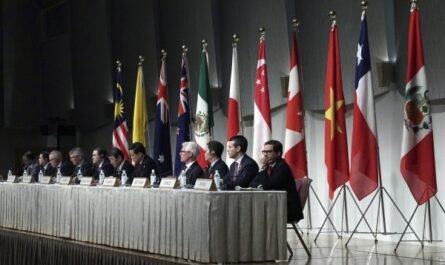
by On 19 June 2025 in Kunming, China hosted its first-ever trilateral meeting with Pakistan and Bangladesh—followed a month later by a China‑Pakistan‑Afghanistan summit extending CPEC into Kabul. Although officially billed as dialogues on “connectivity, trade, health and maritime affairs”, beneath the diplomatic veneer lay a clear objective: to pull India’s neighbours deeper into Beijing’s orbit and rebalance regional power structure in South Asia away from New Delhi .
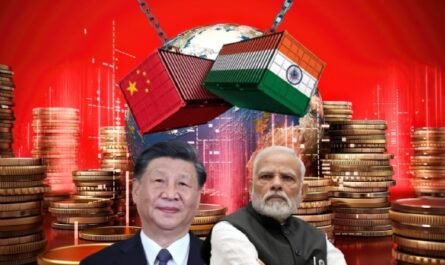
India faces more than isolated border disputes: it now confronts a geopolitically choreographed “nexus” of China + Pakistan + Bangladesh/Afghanistan, designed to encircle, distract, and redefine South Asian alignments.
Issue: The Nexus Unveiled
1. Strategic Ringfencing via Trilateralism
By sequentially launching the Kunming (Pakistan–Bangladesh–China) dialogue and the CPEC‑Plus (Pakistan–Afghanistan–China), Beijing is orchestrating overlapping triangular blocs that bind two key neighbours—Dhaka and Kabul—into Pakistani‑mediated connectivity and financing plans. Dhaka and the Taliban government are increasingly reliant on RMB‑denominated credit lines and infrastructure investments, adding political leverage over India through economic interdependence.
2. Military Entanglement and Arms Ties
From 2020–24, China supplied 81% of Pakistan’s major arms imports—from J‑10C fighters to HQ‑9/P air‑defence systems—firmly anchoring Islamabad’s military modernization in Beijing’s ecosystem . Operation Sindoor (May 2025) illustrated Pakistan’s tactical dependence: Chinese drones, ground radars, and data‑link systems enabled Pakistan to down an Indian Rafale jet, exposing gaps in India’s sensor‑fusion and air defence integration .
3. Encirclement of Siliguri and Maritime Posture
Doctrines of “Siliguri Pincer” from East and West flank re-emerge: trilateral alignment between Bangladesh and Pakistan can isolate India’s vulnerable Siliguri Corridor, compromising flow to Northeast . At sea, PLA‑Navy access to Bay‑of‑Bengal ports—if outputs from Gwadar‑Chittagong or Sithala corridors materialise—could undermine India’s SAGAR posture and neck his sea‑line supremacy .
4. Water Diplomacy and Debt Leverage
The Indus Waters Treaty (IWT) remains suspended following the Pahalgam terror attack, showing how China‑backed Pakistan can weaponise multilateral frameworks—while Beijing shields Pakistan from UN condemnation for terror groups like Lashkar‑e‑Taiba. Bangladesh, burdened by CPEC‑region debts, may offer long‑term port access or critical land corridors as installment payments, compromising its sovereignty.
Data and Strategic Bearings
| Indicator | Estimate | Source |
|---|---|---|
| Pakistan‑China arms share | ~81% (2019–24) | SIPRI data Lukmaanias Blog |
| Pakistan’s bilateral debt to China | ~USD 28.8 billion (~22% of its total) | Chinese debt stock Lukmaanias Blog |
| Date of first Pak‑Bangla‑China meeting | 19 June 2025 | Kunming trilateral mechanism Insights on India |
| Extension of CPEC to Afghanistan | May 2025 | CPEC‑Plus trilateral Political Science Solution |
These numbers underscore the scale and depth of Chinese strategic investments, economic coercion and alliance-building in Pakistan and Bangladesh—state actors that were earlier anchors of Indian regional influence.
Way Forward: A Strategic Compass for India
India’s response must be multifaceted, integrating diplomacy, economic leverage, defence modernisation and institutional resilience. Here are six urgent steps:
1. Restoring Multi‑Alignment with Depth
Renew multilateral and bilateral engagement with Bangladesh and Afghanistan through Neighbourhood Digital Public Infrastructure (DPI) packages—cross‑border e-health cards, UPI rails, education scholarships—to rebuild trust and visible alternative to debt dependency. Use Chabahar–INSTC, Kaladan, and the Bangabandhu‑Maitree Combined Desalination Project as counterpoints to CPEC’s projections .
2. Defence and Deterrence Posture
Deploy new Integrated Battle Groups in the Northeast, strengthen sensor grids in Ladakh and Siliguri, elevate border infrastructure for agile two‑front readiness. Quad interoperability drills and information-sharing must be doubled‐down to stress‑test Pakistan’s Chinese weapon systems under Indian threat conditions.
3. Legal and Economic Toolkit
Pass a Critical Infrastructure Protection Act allowing India to deny over‐flight or port access to entities facilitating cyber‑aggression or terror proxies. Enforcement of strategic red lines—such as trade sanctions or sanctions proxies—is vital for credible deterrence.
4. Economic Diplomacy & Connectivity
Launch “Neighbourhood Credit Corridors” with concessional financing tied to digital PPP models, counteracting debt traps. Push early operationalisation of the BBIN Motor Vehicle Agreement and rehabilitate SAARC/BIMSTEC as frameworks for inclusive South Asian growth—providing institutional alternatives to Beijing’s bespoke trilaterals .
5. Narrative Warfare & Strategic Messaging
Establish a joint MEA–MoD Information Warfare Cell capable of pre‐emptive outreach during crises, swiftly countering misinformation narratives that depict India as the destabilising agent. Reposition India as a democratic development partner, resisting China’s “Development First South Asia” rhetoric.
6. Quad, IORA, and Global Partnerships
Capitalize on Washington’s strategic alignment, as U.S. legislators now declare India and Saudi Arabia as the most critical states for Western security over the next decade, especially vis‑à‑vis China‑Russia‑Iran threat axis. Expand Quad supply‑chain resilience initiatives (e.g. critical minerals, semiconductor value‑chains), emphasising alternative models of integration and reciprocity.
Conclusion
The China‑led trilateral nexus does more than challenge India’s military equations—it aims to redefine South Asia’s political economy on Beijing’s terms. For India it is not enough to react; it must pre-empt, educate, and innovate.
A confident India needs to weave strategic empathy, economic accessibility, and democratic credibility into its region-shaping plays. By marrying infrastructure connectivity with digital public services, and deterrence with diplomacy, India can transform this challenge into an architecture of inclusive regional security—not cede South Asia to coercive alignment.
As China works to erode India’s strategic space, India must reassert it as a leader not through unilateral influence, but by enabling its neighbours to choose an alternative path of sustainable growth and mutual respect. That is how India can reclaim not just geography, but narrative and future.