 by
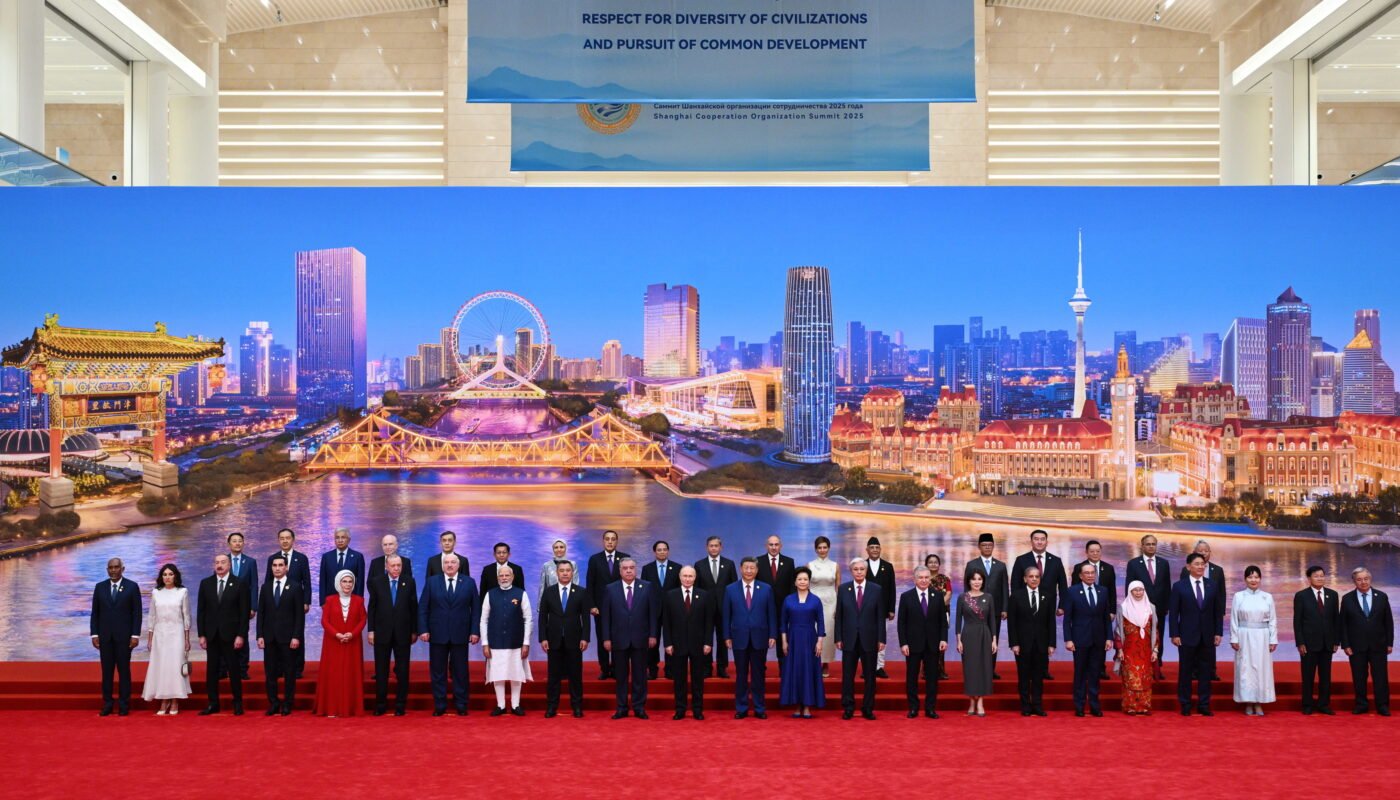
by The 2025 Shanghai Cooperation Organization (SCO) Summit, held in Tianjin, China, marked a significant milestone in the organization’s evolution, emerging as its largest gathering to date. With 20 heads of state in attendance, including leaders from Russia, India, and Iran, the summit underscored China’s growing influence in shaping a multipolar global order. This editorial delves into the summit’s key outcomes, exploring its implications for regional and global geopolitics.
What Was the Summit About?
The Tianjin Summit focused on enhancing economic cooperation, fostering regional stability, and promoting a multipolar world order. Central to the discussions was the establishment of the SCO Development Bank, a long-standing Chinese initiative aimed at financing infrastructure and economic programs within member states. This move reflects China’s strategic shift towards reducing reliance on Western financial institutions and asserting its leadership within the SCO framework. CSIS
Additionally, the summit addressed pressing security concerns, including terrorism and border stability. The Tianjin Declaration, the summit’s concluding document, condemned recent terrorist attacks in member states and emphasized the need for collective action against such threats. This unified stance highlights the SCO’s commitment to regional security and its capacity to respond to emerging challenges. fredgao.com
Why Is This Summit Important?
The Tianjin Summit signifies a pivotal moment for the SCO, reflecting China’s ambition to reshape global governance structures. By proposing the SCO Development Bank and offering substantial financial aid, China aims to position the SCO as a viable alternative to Western-dominated financial systems. This strategic move not only enhances China’s influence within the organization but also aligns with its broader geopolitical objectives. CSIS
Furthermore, the summit’s emphasis on combating terrorism and promoting regional stability underscores the SCO’s evolving role in addressing non-traditional security threats. The collective condemnation of recent attacks and the call for unified action demonstrate the organization’s potential to serve as a platform for collaborative security initiatives. fredgao.com
Where Did It Take Place?
The summit convened in Tianjin, a major port city in northern China, known for its historical significance and economic vitality. Hosting the summit in Tianjin not only showcased China’s infrastructural capabilities but also symbolized the nation’s commitment to fostering regional cooperation through the SCO. Wikipedia
How Did It Emerge?
Established in 2001, the SCO initially focused on regional security and economic cooperation among its founding members: China, Russia, Kazakhstan, Kyrgyzstan, Tajikistan, and Uzbekistan. Over the years, the organization has expanded to include India and Pakistan as full members, along with several observer states and dialogue partners. The Tianjin Summit represents a culmination of China’s efforts to elevate the SCO’s profile on the global stage, transitioning from a regional security bloc to a comprehensive platform for economic and geopolitical engagement. Vajiram & Ravi
Current Situation
In the aftermath of the Tianjin Summit, the SCO has embarked on a new trajectory characterized by increased economic initiatives and a more assertive geopolitical stance. The establishment of the SCO Development Bank and the commitment to significant financial aid signal a shift towards greater economic integration among member states. However, challenges remain, including divergent national interests and the need for effective implementation of the summit’s resolutions. CSIS
On the security front, the unified condemnation of recent terrorist attacks and the emphasis on collective action reflect a strengthened commitment to regional stability. The SCO’s ability to translate these declarations into tangible security measures will be crucial in determining its effectiveness as a security organization. fredgao.com
Way Forward
To build on the momentum generated by the Tianjin Summit, the SCO must focus on several key areas:
- Institutional Strengthening: Enhancing the operational mechanisms of the SCO Development Bank to ensure efficient project financing and implementation.
- Security Cooperation: Developing concrete strategies for counter-terrorism cooperation and border security management among member states.
- Inclusive Growth: Ensuring that economic initiatives, such as the SCO Development Bank, are inclusive and beneficial to all member states, particularly those with less developed economies.
- Geopolitical Engagement: Balancing China’s leadership role within the SCO with the interests and concerns of other member states to maintain cohesion and mutual trust.
By addressing these areas, the SCO can enhance its effectiveness and relevance in the evolving global landscape.
Conclusion
The 2025 Tianjin Summit marks a significant turning point for the Shanghai Cooperation Organization, reflecting China’s strategic vision for a multipolar world order. While the summit’s outcomes present opportunities for enhanced cooperation and influence, the SCO’s success will depend on its ability to translate declarations into actionable initiatives. As the organization embarks on this new journey, it must navigate the complexities of regional dynamics and global expectations to realize its full potential.