by
by Shibu Soren (11 January 1944 – 4 August 2025), affectionately called “Dishom Guru” or “Guruji,” was the political and spiritual spearhead behind the creation of Jharkhand. Born in Nemra village (now in Ramgarh district, Jharkhand), from a Santal tribal family, he was deeply affected by the murder of his father, a teacher, at the hands of moneylenders. That tragedy ignited his commitment to tribal rights, leading him in his teens to found the Santhal Navyuvak Sangh and later cofound the Jharkhand Mukti Morcha (JMM) in 1972 alongside AK Roy and Binod Bihari Mahato.
The Movement Catalyst
For nearly three decades, Soren led grassroots mobilization—through slogans like “Jal, Jamin, Jungle”—to reclaim tribal land, water, and forest. His activism spread beyond Jharkhand, resonating with tribal communities in Odisha, Chhattisgarh, and West Bengal, raising awareness about land alienation and exploitation. Jharkhand’s creation in 2000 was the culmination of this sustained struggle—cementing his place as the state’s founding icon.
Political Career & National Presence
Soren was elected to the Lok Sabha eight times from Dumka, and served multiple Rajya Sabha terms. He also held the Union Cabinet Coal Ministry under Prime Minister Manmohan Singh (2004–06), becoming one of the few tribal leaders in central governance. Though he resigned in 2004 due to legal complications, he re-entered Parliament soon after.
He served as Jharkhand Chief Minister on three occasions: briefly in March 2005, again in 2008–09, and once more in late 2009–10. Coalition politics and political volatility meant none of these terms lasted the full five years—totaling under a year in office.
Legacy: The Upside
- Tribal Empowerment: Soren’s identity and public life were rooted in advocating for tribal self-respect, land rights, and democratic inclusion. He helped mainstream tribal concerns into national discourse and legislation.
- Mass Mobilizer: His ability to inspire, from grassroots resistance to parliamentary advocacy, earned him immense loyalty—particularly among Santhals and other tribal communities. Even non-tribal marginalized groups saw him as a unifying mass leader.
- State Builder: Without his constancy, Jharkhand may not exist as a separate state—a political landmark that reshaped India’s federal map and gave political voice to historically marginalised communities.
Legacy: The Downsides
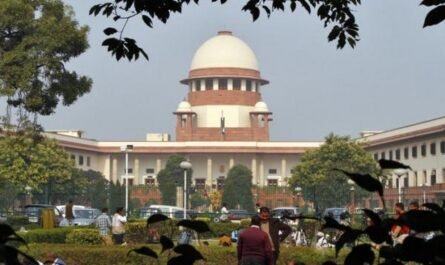
- Legal Controversies: His most significant downfall came in 2006 when convicted in the 1994 murder of his secretary, making him the first serving Union Minister to face life imprisonment. Though the Delhi High Court acquitted him in 2007 and the Supreme Court upheld acquittal in 2018, the episode stained his political reputation.
- Violent Methods: Early movements—like the 1975 Chirudih massacre and Dhankatni campaign—took a confrontational form, sometimes leading to communal clashes and accusations of instigation. Though acquitted, these episodes remain controversial.
- Missing Administrative Legacy: Despite multiple terms as Chief Minister, Soren did not leave behind a strong governance record. Instability, lack of coalition cohesion, and limited time in office meant he rarely translated mass popularity into policy initiatives or institutional rehabilitation.
How History Will Remember Him
The Tribal Icon & Social Revolutionary
History will likely immortalize Shibu Soren as the paradigmatic tribal leader of independent India—someone who transformed personal tragedy into political engagement, and carried tribal aspirations into mainstream democracy. He is revered as the driving spirit behind Jharkhand’s formation and tribal empowerment.
The Controversial Political Leader
Equally, historians will note that his charisma and populism came with costs: legal battles, ethical questions, and mass agitations that occasionally spilled into violence. While his acquittals cleared him legally, narratives about political opportunism and radical tactics will persist.
The Mixed Legacy in Governance
Though celebratory in political symbolism and identity politics, Soren’s brief tenures in executive office suggest a leader powerful in mobilization, but less enduring in equipped governance. His legacy is thus symbolic leadership more than administrative reform.
Broad Consensus and Tributes
Following his death on 4 August 2025 from prolonged illness, including a stroke and kidney complications, tributes poured in across the political spectrum—from Prime Minister Narendra Modi and President Droupadi Murmu to regional leaders like Mamata Banerjee and Naveen Patnaik—garnering recognition for his lifelong fight for tribal dignity and social justice. Jharkhand declared three days of state mourning, with crowds gathering in Nemra and Ranchi in tribute to their “Guruji”.
In Summary
Shibu Soren’s story is one of transformation—from the soil of tribal struggle to the pinnacle of political mobilization. He carved out a state, gave voice to marginalised communities, and made Indian democracy a richer expression of subaltern aspirations. Yet, his legacy is not spotless. Legal trials, episodes of violence, and brief governance tenures complicate his image. In the final reckoning, history will remember him as a committed tribal leader, whose symbolic and political resonance far outweighed his policy footprint—a man who was both revered and contested, but whose movement reshaped the terrain of Indian federal politics.