 by
by The Spark And The Grievance
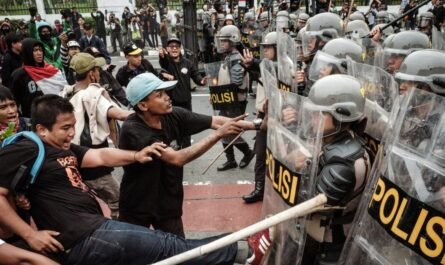
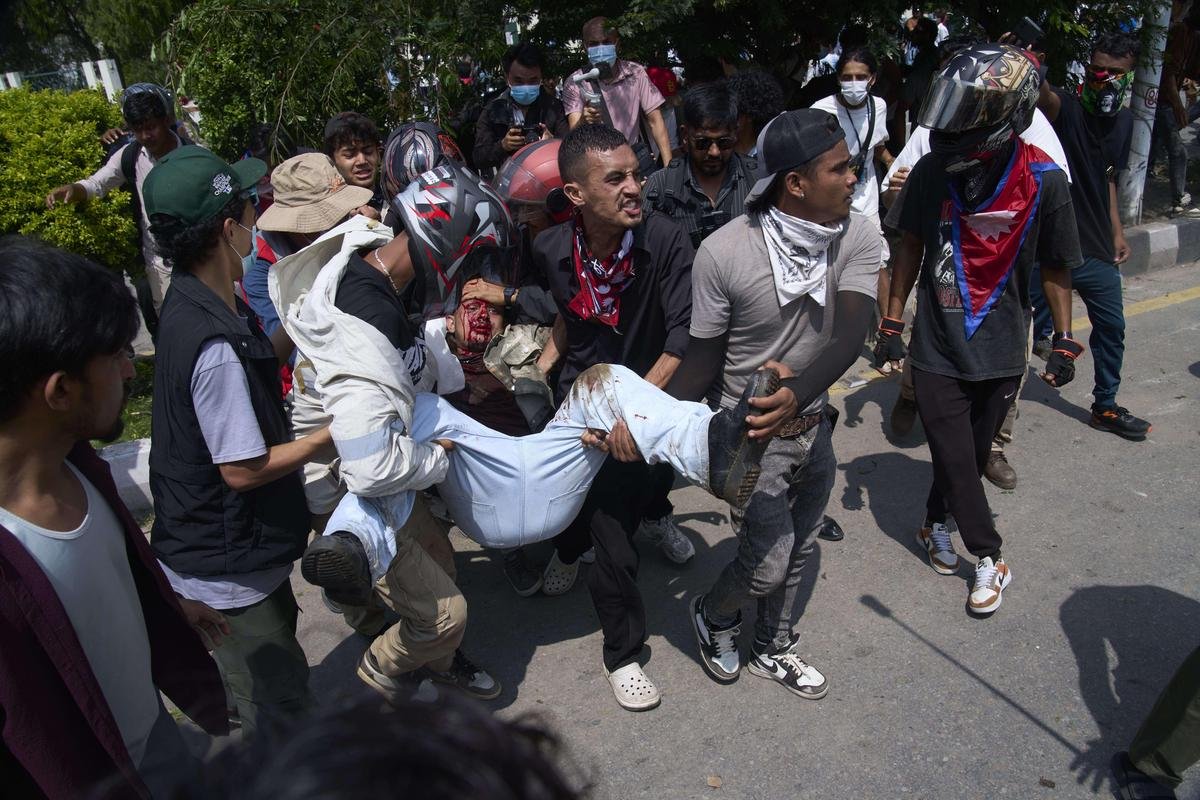
In early September 2025, a wave of protests led largely by Nepal’s Gen-Z — students, young professionals and digitally native activists — erupted across Kathmandu and other cities after the government moved to block dozens of major social-media platforms that had not registered with state authorities. What started as online outrage over lost digital freedom quickly turned into mass street demonstrations, clashes with security forces, and a broader expression of anger about corruption, rising youth unemployment and unkept political promises. The immediate trigger was the social-media blockade, but the tinder had been gathering for years. Reuters
Why this matters beyond the hashtags
This is not only about platforms like Facebook, X or YouTube being inaccessible. For Gen-Z, social media is daily civic space, job market, newsfeed and organizing toolbox — its sudden restriction underlined a sense that institutions are out of step with young people’s lives. The protests expose a dangerous feedback loop: political elites promise reform, fail to deliver jobs and services, and then tighten control when dissent grows — which fuels further alienation. The economic and political instability also threatens tourism, foreign investment, and Nepal’s delicate geopolitical balancing between neighbors. International attention to the crisis shows that the country’s internal governance choices have regional consequences. Al Jazeera+1
Geography and Political Context
Nepal’s unrest is concentrated in urban hubs: Kathmandu’s Maitighar Mandala and the federal parliament area became focal points, but echoes were felt across the country. Politically, Nepal is a young republic that has experienced frequent government turnover since the monarchy’s end in 2008. Party splits, coalition fragility and patronage politics have left state institutions weak and policy continuity thin. That chronic fragility is the backdrop against which a generation — many of whom grew up after the monarchy’s fall — judge leaders by outcomes (good jobs, stable services, transparent governance) rather than rhetoric. Reuters
Historical and Legal Background
The legal pretext for the social-media action stems from recent legislation and court decisions that aimed to hold platforms accountable for misinformation, cybercrime and content harms. The Supreme Court’s rulings and government directives pushed for registration, local grievance officers, and monitoring mechanisms. Authorities argue such measures are necessary to protect public order; critics say the framework is vague and risks being used to curb dissent. This clash — between a court-mandated regulatory drive and rights defenders’ concerns about freedom of expression — collided with longstanding socio-economic grievances (from underemployment to perceived corruption), creating a volatile mix. Several drafts of a “Social Media Act” and administrative orders in recent months provide the legal scaffolding the government used to press platforms to register. Centre for Law and Democracy+1
Facts, Figures and Atmosphere
By early September the unrest had become the most intense in years. Reports varied on casualties and injuries, but credible outlets recorded dozens of deaths and many hundreds injured in clashes as protests swelled and security forces tried to contain crowds. The government initially enforced a sweeping block on more than two dozen platforms, then announced later reversals as the crisis escalated — a sign of both domestic pressure and international scrutiny. Economically, Nepal’s growth has been modest — World Bank projections showed only gradual recovery in GDP growth and persistent challenges in jobs and public revenue — conditions that make unfulfilled promises feel more immediate and personal to young people. Reuters
Way Forward — Realistic, Actionable Reforms
Resolving this moment requires parallel political, economic and legal steps — each practical and politically feasible if all sides act in good faith.
- Immediate confidence moves. The government should commit to transparent, time-bound measures: rapid independent inquiries into excessive use of force; prompt registration of legitimate writ petitions in courts; and clear, public timelines for policy changes affecting digital rights. Short, credible confidence-building steps (such as re-opening platforms while processes continue) can de-escalate streets and restore dialogue.
- Protect digital rights with clarity. Lawmakers should revise any social-media regulation to enshrine due process, judicial oversight and narrow, necessity-based restrictions. Regulations that require local grievance officers and transparency about content-removal processes can be retained, but only if backed by clear statutes and judicial review to avoid arbitrary use. The Supreme Court’s role should be to interpret limits tightly so regulation targets demonstrable harms, not dissent. Kathmandu Post
- A targeted youth economic strategy. Gen-Z’s anger is rooted in livelihood insecurity. The state must pair short-term job creation (public works, greener urban projects, digital-skills bootcamps) with medium-term reforms to boost entrepreneurship: simplify business registration for small tech and creative firms, expand start-up incubators, and incentivize responsible foreign investment into tourism, hydropower and value-added agriculture. International partners and multilateral lenders can help co-finance training and seed funds. The World Bank’s country programming highlights growth potential if structural constraints are tackled. World Bank
- Clean-up governance and anti-corruption reforms. Protests sharpened around corruption and impunity. Strengthening anti-corruption agencies, digitalizing public services to reduce discretionary access, publishing beneficial-ownership records and protecting whistleblowers would show tangible commitment. These are painful domestic reforms but essential to rebuild trust.
- Structured civic dialogue with youth. Create a permanent youth advisory council — not a token committee — with real budgetary input and a mandate to pilot youth-led initiatives in urban policy, digital governance and creative economies. Give universities, civil-society groups and tech communities seats so Gen-Z has institutional channels to influence policy rather than only the streets.
- Regional confidence and economic cushioning. Nepal’s partners — neighbors and donors — should offer technical assistance, not political strings: support for telecom regulatory reform, transparent project financing and tourism recovery packages will reduce the economic shocks that amplify political grievances. Studies and diplomatic briefings already flag that instability could have wider regional spillovers; coordinated, apolitical support can help stabilize the immediate horizon. Al Jazeera
Conclusion — A Generational Turning Point
Nepal’s Gen-Z protesters are not merely a digital flash mob; they are a political thermometer, signaling the temperature of a society that expects outcomes, not promises. The social-media ban lit the match, but economic stagnation, opaque governance and legal overreach supplied the fuel. To move from crisis to renewal, Nepali leaders must translate short-term de-escalation into medium-term institutional reform: protect digital freedoms with clear law and oversight, deliver jobs and economic opportunity, and make governance more transparent and accountable. If those steps are taken with urgency and sincerity, Nepal can turn this fraught moment into a course correction — one where a newly assertive generation is not simply placated, but empowered to help rebuild a republic that delivers on its promises.