 by
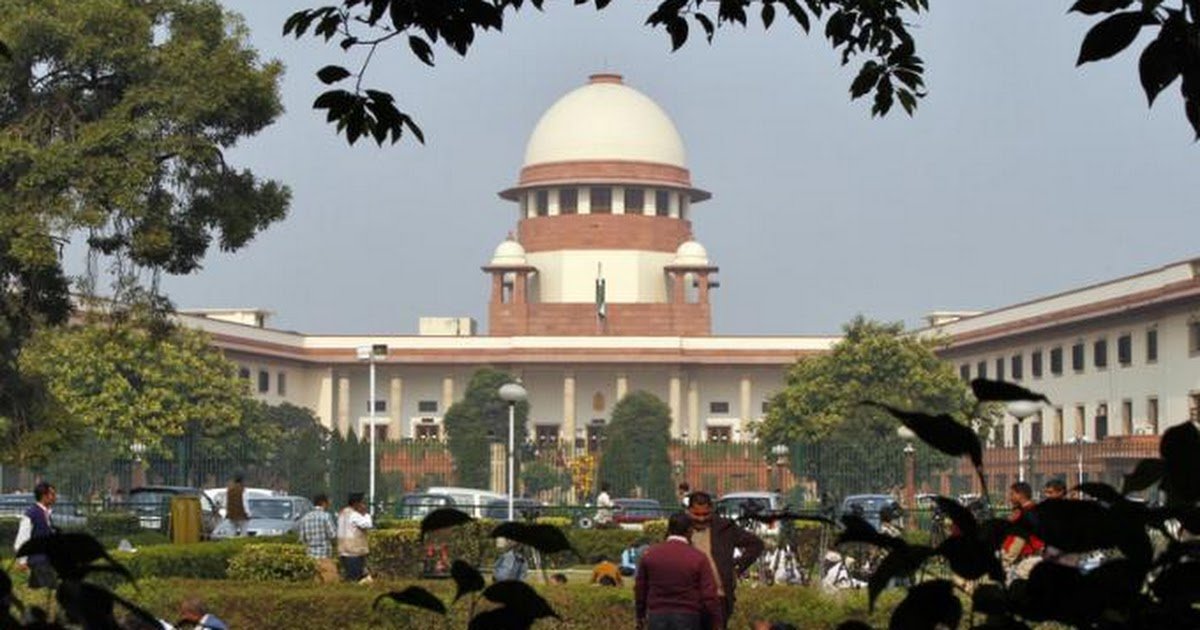
by The recent Supreme Court proceedings involving Leader of Opposition Rahul Gandhi have reignited a critical debate about judicial boundaries in India’s democracy. When courts begin questioning the patriotism of opposition leaders and dictating how political discourse should be conducted, we must ask: have we crossed the line from judicial activism into dangerous overreach that threatens democratic dissent itself?
The Galwan Controversy: A Case Study in Judicial Overreach
On August 4, 2025, the Supreme Court’s handling of a defamation case against Rahul Gandhi revealed troubling patterns in judicial behavior toward political opposition. Justice Dipankar Datta questioned Gandhi aggressively, asking “How did you get to know that 2,000 square km of Indian territory was occupied? Were you there? Do you have any credible proof? If you are a true Indian, you would not say all these things.”
The Court’s language raises fundamental questions about judicial neutrality. By questioning Gandhi’s patriotism and suggesting that “true Indians” wouldn’t make certain statements, the judiciary ventured far beyond its constitutional role as impartial arbiter of law into the realm of political judgment and nationalist rhetoric.
The Court’s directive that Gandhi, as Leader of the Opposition, should speak in Parliament rather than on social media represents judicial micromanagement of democratic discourse. This instruction fundamentally misunderstands the nature of modern political communication and the opposition’s role in a democracy.
Democratic Dissent Under Siege
The Gandhi case illustrates a broader pattern of judicial intimidation of democratic dissent in India. When courts begin determining what constitutes “acceptable” political speech or questioning the patriotism of elected representatives, they undermine the very foundation of democratic opposition.
The INDIA bloc’s response, calling the Supreme Court remarks “unwarranted on democratic rights of political parties,” highlights the gravity of this judicial overreach. Opposition parties correctly identified that the Court had no constitutional authority to make such politically charged observations.
Democratic dissent is not just a right but a constitutional duty of opposition parties. When courts begin chilling this dissent through intimidating language and politically loaded questions, they threaten the delicate balance that keeps democracy functional.
The Pattern of Judicial Intimidation
The Galwan case is not isolated. Indian courts have increasingly adopted a pattern of behavior that treats political opposition with suspicion rather than constitutional respect. This represents a dangerous shift from the judiciary’s role as protector of democratic rights to enforcer of political orthodoxy.
When Justice Datta questioned whether Gandhi was “there” at Galwan and demanded “credible proof,” the Court essentially argued that opposition leaders cannot critique government policies on national security without firsthand knowledge—a standard that would effectively silence all democratic oversight of executive action.
This approach fundamentally misunderstands the opposition’s constitutional role. Democratic systems require robust criticism of government policies, including on sensitive issues like national security. The opposition’s job is to question, critique, and hold the government accountable—not to provide military intelligence or personal testimony.
The Chilling Effect on Political Discourse
The Supreme Court’s aggressive questioning creates a chilling effect that extends far beyond Rahul Gandhi. When the highest court in the land questions an opposition leader’s patriotism for criticizing government policy, it sends a clear message to all political actors: dissent comes at the cost of judicial harassment.
This judicial behavior transforms courts from neutral arbiters into partisan actors, weaponizing the legal system against political opposition. The result is not just individual intimidation but systematic undermining of democratic norms.
The Court’s suggestion that Gandhi should confine his remarks to Parliament rather than social media reveals a fundamental misunderstanding of modern democratic communication. In an era where social media is a primary platform for political discourse, judicial attempts to restrict opposition leaders to formal parliamentary channels represent both constitutional overreach and practical impossibility.
Constitutional Boundaries Violated
The Indian Constitution grants freedom of speech and expression as a fundamental right, with political speech receiving the highest protection. When courts begin evaluating the patriotism or appropriateness of opposition political speech, they violate these constitutional boundaries.
The Supreme Court’s role is to interpret law and protect constitutional rights—not to determine what constitutes proper political discourse or acceptable criticism of government policy. By venturing into these territories, courts abandon their constitutional mandate and assume roles belonging to the political branches of government.
The separation of powers doctrine requires judicial restraint when dealing with political speech. Courts should protect such speech, not intimidate those who exercise it. The Gandhi case represents a clear violation of this principle.
The Broader Threat to Democracy
When courts begin threatening democratic dissent, they undermine the entire democratic system. Opposition parties serve as crucial checks on executive power, and their ability to criticize government policies freely is essential for democratic accountability.
The Supreme Court’s behavior in the Gandhi case signals to future opposition leaders that judicial harassment awaits those who challenge government narratives on sensitive issues. This creates a democracy where dissent is not just politically costly but judicially dangerous.
Such judicial behavior transforms the legal system from protector of democratic rights into enforcer of political conformity. The result is not rule of law but rule by judicial intimidation—a fundamental perversion of constitutional governance.
The Path Forward: Restoring Judicial Restraint
Indian democracy urgently needs judicial course correction. Courts must return to their constitutional role as neutral arbiters of law rather than political actors questioning opposition patriotism or dictating communication strategies.
Judicial restraint in political matters is not weakness but constitutional wisdom. When courts avoid political judgments and focus on legal interpretation, they strengthen both democratic institutions and their own legitimacy.
The legal community must also speak out against judicial overreach. Lawyers, bar associations, and constitutional scholars have a responsibility to defend democratic dissent against judicial intimidation, regardless of their political preferences.
Conclusion: Defending Democratic Space
The Supreme Court’s treatment of Rahul Gandhi represents more than individual harassment—it signals systematic judicial hostility toward democratic opposition. When courts begin determining acceptable political speech and questioning opposition patriotism, democracy itself is under threat.
India’s constitutional system requires robust judicial protection of political dissent, not judicial intimidation of opposition voices. The Gandhi case should serve as a wake-up call about judicial overreach and its threats to democratic governance.
Democracy survives through disagreement, debate, and dissent. When courts begin threatening these essential democratic functions, they cease to be democracy’s guardians and become its gravediggers. Restoring judicial restraint and respect for political opposition is not just constitutional necessity but democratic survival.
The time has come for serious institutional reform to prevent courts from weaponizing legal proceedings against political opposition. India’s democracy depends on judicial protection of dissent, not judicial threats against those who dare to disagree with those in power.