 by
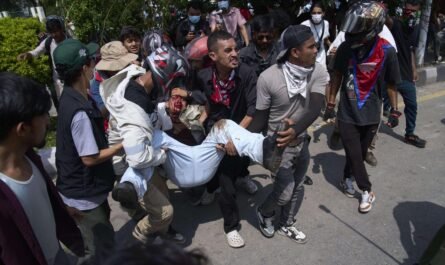
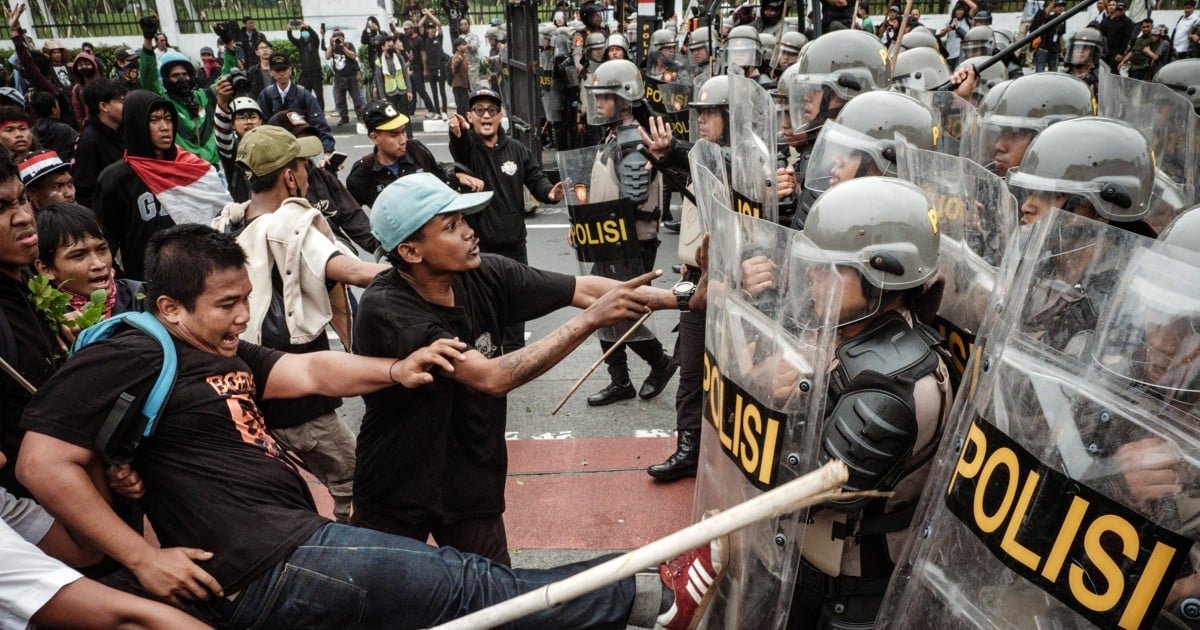
by On September 8, 2025, President Prabowo Subianto of Indonesia executed a significant cabinet reshuffle, dismissing five ministers, including Finance Minister Sri Mulyani Indrawati and Coordinating Minister for Political and Security Affairs Budi Gunawan. This move came in the wake of widespread protests that had gripped the nation for two weeks, sparked by revelations of lawmakers receiving housing allowances nearly ten times the minimum wage in Jakarta. The unrest, which led to at least 10 deaths and over 3,000 detentions, highlighted deep-seated frustrations over economic inequality and perceived governmental indifference AP News.
The Immediate Response: A Tactical Reshuffle
The dismissal of prominent figures like Sri Mulyani Indrawati, who had served under three presidents and was instrumental in guiding Indonesia through economic crises, sent ripples through both domestic and international communities. Her replacement, economist Purbaya Yudhi Sadewa, was tasked with stabilizing the economy amid growing concerns over a potential slowdown Reuters. However, the abrupt nature of the reshuffle raised questions about its effectiveness in addressing the root causes of the unrest.
Analysts have pointed out that while the reshuffle may have been a strategic move to quell immediate public dissatisfaction, it does not necessarily translate into substantive policy changes. The protests were not solely about individual ministers but were a manifestation of broader systemic issues, including elite privilege, corruption, and a disconnect between the government and the populace CNA.
The Underlying Issues: Beyond Ministerial Changes
The protests that led to the cabinet reshuffle were fueled by a combination of economic hardships and political disillusionment. Rising unemployment, inflation, and the perception of lawmakers living in luxury while ordinary citizens struggled contributed to widespread anger. The tragic death of a 21-year-old delivery driver during a protest further intensified public outrage, leading to calls for systemic reforms AP News.
While the government’s decision to revoke the controversial allowances and suspend overseas trips for lawmakers was a step in the right direction, it was seen by many as a superficial measure that did not address the deeper issues at play. The appointment of Purbaya Yudhi Sadewa, though an economist, lacks experience in fiscal management, raising concerns about his ability to navigate the complexities of Indonesia’s economy Financial Times.
The Path Forward: Genuine Reform or Political Expediency?
To restore public trust and address the underlying causes of the unrest, the government must go beyond ministerial changes and implement comprehensive reforms. This includes establishing an independent commission to investigate incidents of police brutality, reforming the police force to ensure accountability, and implementing policies that promote economic equality and social justice The Australian.
Furthermore, the government must engage in open and honest dialogue with civil society organizations, student groups, and other stakeholders to understand their concerns and work collaboratively towards solutions. Only through genuine engagement and systemic reform can Indonesia hope to overcome the current crisis and build a more just and equitable society.
Conclusion: A Critical Juncture for Indonesia
The cabinet reshuffle by President Prabowo Subianto is a pivotal moment in Indonesia’s political landscape. While it may have been a necessary step to address immediate public dissatisfaction, it is insufficient in addressing the deeper issues that led to the unrest. The true test will be whether the government is willing to undertake the difficult but necessary reforms to restore public trust and ensure a more just and equitable future for all Indonesians.